
Dust has a way of settling into a home so gradually that most people barely notice it at first. By the time shelves look dull or the air starts feeling heavy, particles have already spread across multiple rooms.
Understanding how dust forms and moves through a home can make it easier to manage. A few consistent habits often make a noticeable difference in comfort, air freshness, and overall cleanliness.
Why Dust Buildup Happens in Homes
Every home constantly produces small particles from normal daily activity. Fabrics shed fibers, outdoor air carries pollen inside, and tiny particles circulate through vents and hallways.
Over time, these materials combine to form the dust that settles on furniture, floors, and other surfaces throughout the home.
Sources Most Homeowners Overlook
Many people assume dust comes only from outdoor dirt or open windows, but much of it actually develops indoors.
Common sources include:
- Fabric fibers from clothing and upholstery
- Pet dander and hair
- Skin cells naturally shed by people
- Pollen and particles entering through doors or windows
- Small debris carried through air vents
Because these materials are lightweight, they easily move through a home’s airflow before settling.
Where Dust Collects the Most
Some areas of the home attract more dust simply because of how air circulates. Rooms with more activity or airflow tend to gather particles faster than quieter spaces.
Once dust settles, it often accumulates in places homeowners don’t check frequently.
High-Collection Areas Inside a Home
Dust tends to gather most in:
- Ceiling fan blades
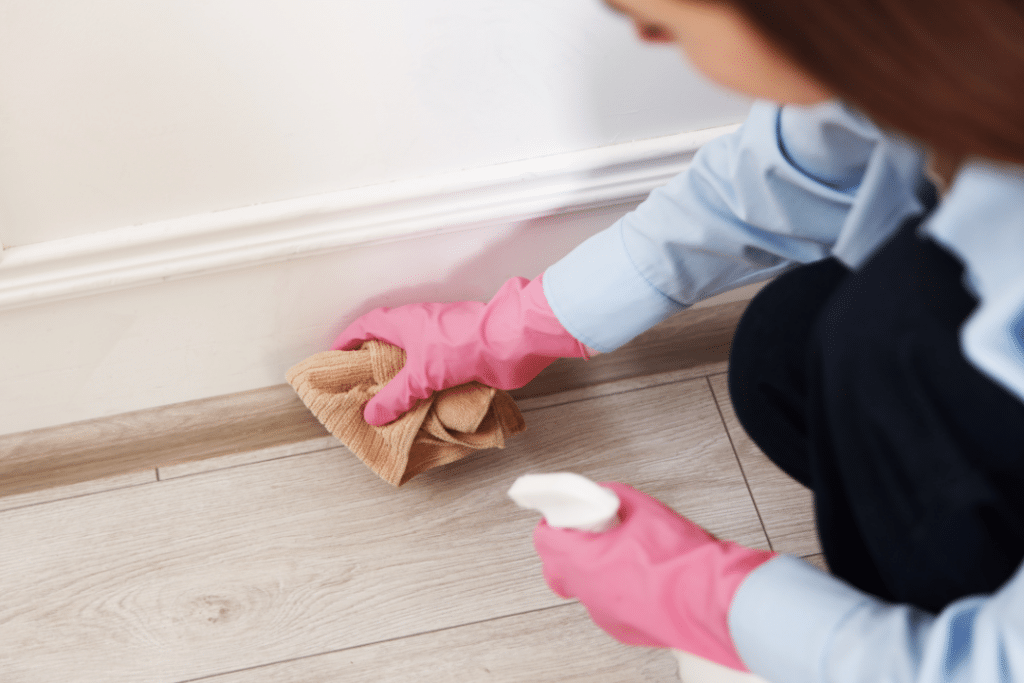
- Baseboards and trim edges
- Behind furniture
- Air vents and returns
- Window sills and blinds
These locations often go unnoticed during routine tidying, allowing buildup to develop slowly over time.
How Dust Affects Daily Comfort
Even when it isn’t visible, dust can influence how a home feels. Accumulated particles can make indoor spaces feel stale or slightly stuffy, especially when air circulation spreads them from room to room.
Homes with heavy buildup may also experience faster surface dullness and more frequent allergy irritation among occupants.
Signs Dust Is Becoming a Larger Issue
Homeowners may notice subtle changes before dust becomes visibly obvious.
Common signs include:
- Surfaces looking dull shortly after being wiped
- Light particles floating through sunlight near windows
- More frequent sneezing or irritation indoors
- Air vents collecting visible debris
- Rooms feeling less fresh overall
Recognizing these signals early can help prevent larger buildup later.
Practical Ways to Reduce Dust Accumulation
Managing dust effectively is usually less about a single large effort and more about consistent maintenance habits. Small routines performed regularly can prevent particles from spreading throughout the home.
Simple Habits That Make a Difference
Homeowners often see improvement by focusing on a few key routines:
- Wiping elevated surfaces before vacuuming floors
- Using microfiber cloths that trap particles instead of spreading them
- Cleaning ceiling fan blades regularly
- Vacuuming upholstered furniture periodically
- Maintaining air vents and returns
For homes experiencing heavier buildup, occasional deeper household resets may help restore surfaces and harder-to-reach areas. Some homeowners schedule periodic refreshes through services such as a more detailed home reset visit that focuses on overlooked areas like baseboards, vents, and high surfaces.
Long-Term Habits That Keep Dust Under Control
The key to keeping dust manageable is preventing it from spreading faster than it can be removed. When small tasks are handled consistently, buildup rarely becomes overwhelming.
Maintenance Habits That Work Best
Simple ongoing habits include:
- Removing shoes near entryways
- Washing bedding frequently
- Cleaning vents and air returns
- Dusting high surfaces before lower ones
- Keeping clutter minimal on shelves and tables
These routines limit how much dust circulates through living spaces each week.
Frequently Asked Questions
Why does dust come back so quickly after wiping surfaces?
Dust particles constantly move through indoor air, so surfaces begin collecting them again shortly after they are cleared.
Is most household dust from outdoors?
A large portion actually comes from indoor sources such as fabrics, skin cells, and everyday household activity.
Do ceiling fans contribute to dust spread?
Yes. When blades collect dust, they can redistribute particles around the room each time the fan runs.
Why do some rooms collect more dust than others?
Rooms with higher airflow, open windows, or more daily activity tend to gather particles more quickly.
Can clutter make dust problems worse?
Yes. Objects on surfaces create more places where particles can settle and become difficult to reach.
Do air vents affect dust buildup?
Air vents circulate air throughout the home, which can carry particles from one room to another.
Is it better to dust or vacuum first?
Dusting first allows particles to fall to the floor so they can be removed during vacuuming.
How often should homeowners address hidden dust areas?
High surfaces, vents, and baseboards benefit from periodic attention to prevent buildup from spreading.
Conclusion
Hidden dust buildup develops naturally in every home, but understanding how it forms and where it collects makes it easier to manage. By paying attention to overlooked surfaces and maintaining simple routines, homeowners can keep living spaces feeling noticeably fresher and more comfortable. Cleaning By Knight shares additional home care resources and information to help homeowners better understand how everyday household environments function and how to maintain them effectively.
Quote Form (Popup)
